192
Hurricane resilient materials
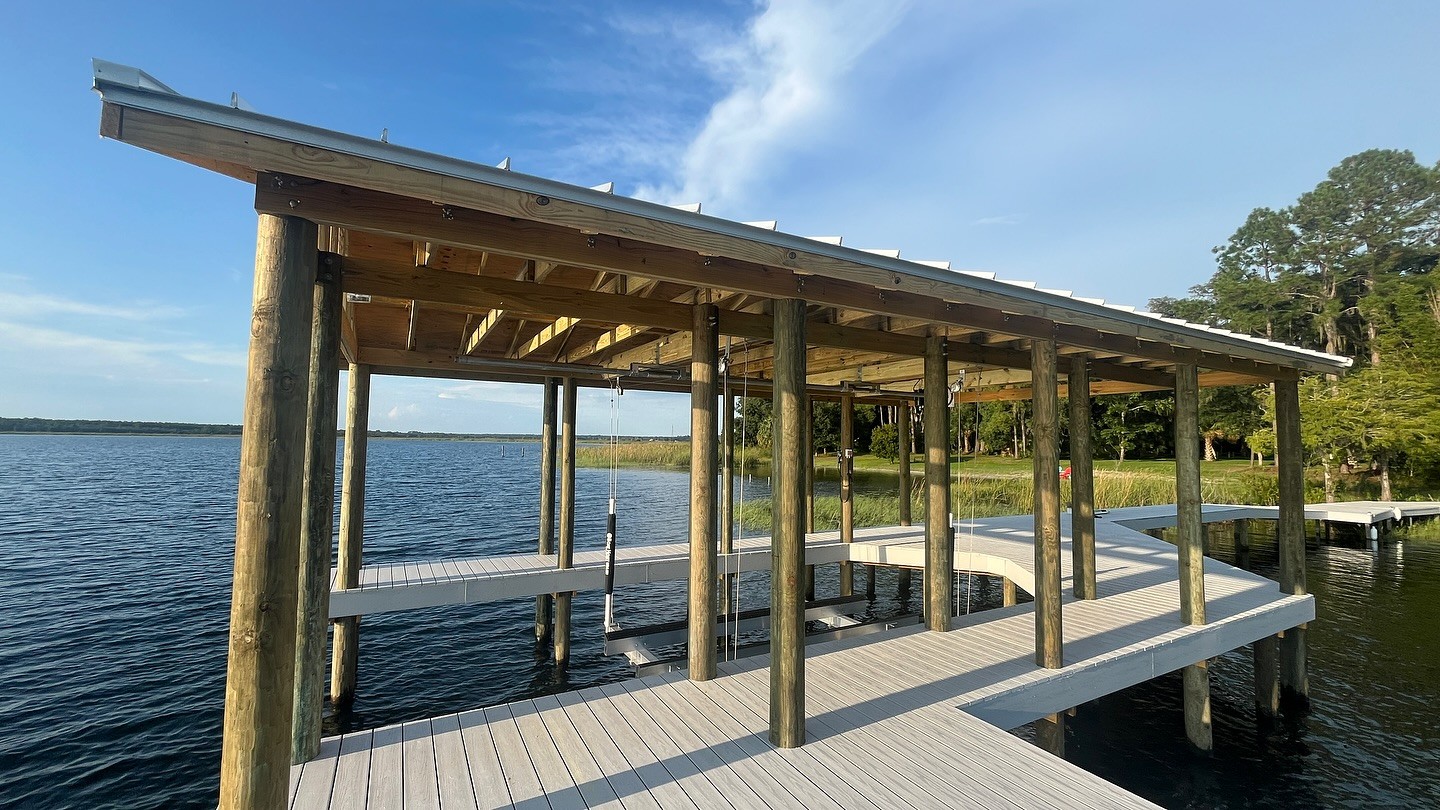
Hurricane-Resilient Materials for Florida Dock Building Florida’s frequent hurricanes (e.g., 2022’s Hurricane Ian, 2024’s Milton) demand dock materials that withstand high winds (up to 150+ mph), storm surges, and corrosive saltwater. Rising material costs, as noted in your previous query, further emphasize choosing durable, cost-effective options to balance resilience and budget. Below are the best hurricane-resistant materials for dock construction, tailored to Florida’s marine environment, with insights on how contractors like JSC Contracting Inc. can leverage them.Key Considerations for Hurricane Resilience
Wind Resistance: Materials must endure Category 3–5 hurricane winds (111–157+ mph).
Corrosion Resistance: Saltwater and humidity accelerate degradation; marine-grade options are critical.
Impact Resistance: Docks face debris impacts and wave forces during surges.
Cost vs. Durability: With material costs up 4–15% in 2025 (e.g., composites +10–15%), prioritize longevity to offset maintenance.
Recommended MaterialsHere’s a breakdown of hurricane-resilient materials for docks, with pros, cons, and Florida-specific notes:
Material
Use
Hurricane Benefits
Cost (2025 Est.)
Pros
Cons
Florida Notes
Composite Decking (e.g., Trex, Azek)
Decking surface
UV-resistant, non-rotting, withstands 120+ mph winds
$30–$50/sq ft (up 10% YoY)
Low maintenance, eco-friendly, 25–50 yr lifespan
Higher upfront cost; limited color options
Ideal for Central Florida lakes (e.g., Lake Weir); resists algae, humidity
Vinyl/PVC Pilings
Structural supports
Corrosion-proof, withstands surges and debris
$100–$200/linear ft
Lightweight, durable (50+ yrs), no marine borer damage
Less aesthetic than wood; pricier than timber
Preferred for coastal areas (e.g., Brevard); DEP-compliant for eco-zones
Concrete Pilings (Marine-Grade)
Structural supports
High compressive strength, resists 150+ mph winds
$150–$300/linear ft (up 7%)
Long lifespan (50+ yrs), surge-resistant
Heavy, requires deep installation
Common in Gulf Coast; local crushed stone cuts costs
Galvanized Steel Hardware
Fasteners, brackets
Corrosion-resistant, holds firm in high winds
$5–$20/unit (up 9%)
Strong, widely available
Needs regular inspection for rust
Essential for hurricane-rated docks; JSC uses these for secure builds
Fiberglass Reinforcement
Decking, railings
Flexible, impact-resistant, withstands surges
$40–$80/sq ft
Lightweight, non-corrosive, durable
Costly, less common
Gaining traction in Florida for modular docks
Pressure-Treated Lumber (CCA-Treated)
Framing, decking
Affordable, resists rot and insects
$15–$25/sq ft (up 8%)
Cost-effective, widely used
Shorter lifespan (10–20 yrs), needs sealing
Suitable for freshwater docks (e.g., Harris Chain); less ideal for saltwater
Why These Materials Work
Wind and Surge Resistance: Concrete and vinyl pilings, driven 8–12 ft into stable soil, resist uplift and lateral forces from storm surges (common in Florida’s 5–10 ft surges). Composite decking and fiberglass stay intact under 120–150 mph gusts, per ASTM testing.
Corrosion and Impact: Vinyl and galvanized steel avoid saltwater corrosion, unlike untreated metals (which degrade 20% faster in coastal areas). Fiberglass and composites shrug off debris impacts, critical during hurricanes.
Eco-Compliance: Materials like vinyl and composite minimize environmental disruption (e.g., no leaching into wetlands), aligning with Florida DEP rules for mangroves and manatee zones.
Cost Impacts in 2025Rising material costs (noted in your prior query) hit hurricane-resilient options hardest:
Composites/PVC: Up 10–15% ($30–$50/sq ft for decking, $100–$200/linear ft for pilings) due to supply chain issues and demand for durable materials.
Concrete/Steel: Up 5–9% ($150–$300/linear ft for pilings, $5–$20/unit for hardware) from tariffs and production lags.
Budget Tip: Mix materials (e.g., concrete pilings with treated lumber decking) to save 10–20% while maintaining resilience. JSC Contracting’s free estimates can optimize this balance.
Design Strategies for Hurricane Durability
Elevated Design: Build docks 4–6 ft above mean high water to reduce surge impact, per Florida Building Code.
Deep Pilings: Drive pilings 8–12 ft into stable substrate (critical for Florida’s sandy soils) to resist uplift. JSC’s marine expertise ensures proper installation.
Modular/Floating Docks: These flex with surges, reducing stress. Fiberglass or composite modular systems cost $50–$100/sq ft but save on repairs.
Hurricane-Rated Hardware: Use galvanized or stainless steel bolts and brackets (Category 5-rated) to secure joints, adding $500–$2,000 per project.
Breakaway Features: Design railings or non-structural elements to detach under extreme force. Call JSC Contracting Inc at 352-687-2030 or www.jscfla.com.